
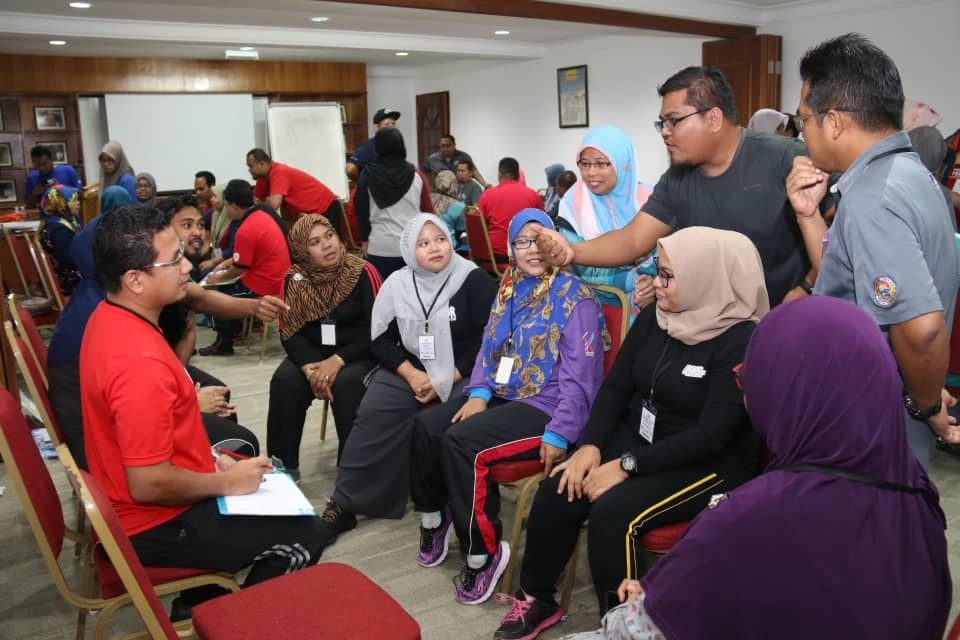
In today’s modern corporate world, Company Team Building has become an essential strategy to improve communication, collaboration, and employee motivation. Many organizations invest significant time and budget into these programs with the hope of strengthening workplace relationships.
However, many employers still make mistakes that prevent team building programs from achieving their true objectives. These mistakes not only waste training budgets but can also negatively affect team morale.
This article discusses seven common mistakes companies make when planning Company Team Building and how to avoid them.
1. Not Setting Clear Objectives
One of the biggest mistakes in Company Team Building is failing to set clear training objectives. Many organizations conduct activities simply because they want to “run an annual program” without understanding its true purpose.
Without clear objectives, team building becomes merely an entertainment activity with little impact on work performance. Effective objectives should relate to improving communication, leadership, or conflict resolution within the organization.
When companies define specific objectives, Company Team Building programs become more focused and deliver measurable results.
2. Choosing Activities That Are Not Relevant to Employee Needs
Fun Activities That Do Not Deliver Impact
Many companies select activities based purely on popularity without evaluating whether they align with employee needs. Fun activities do not necessarily contribute to team skill development.
Company Team Building programs should be designed around real organizational challenges. For example, if communication is the main issue, activities should focus on strengthening team communication skills.
Ignoring Participant Profiles
Another common mistake is failing to consider participants’ backgrounds. Employees from different departments have varying comfort levels and learning needs.
Activities that are too extreme or unsuitable may cause participants to disengage from the Company Team Building program.
3. Treating Team Building as Purely Recreational
Some employers still view team building as a leisure activity or employee reward. This mindset results in programs that lack strategic planning.
In reality, Company Team Building is a form of organizational development training. It should include structured learning modules, reflection sessions, and effectiveness evaluations.
When companies treat team building as a strategic investment, the outcomes have a stronger impact on employee performance.
4. Not Choosing an Experienced Training Provider
Lack of Trainer Expertise
Selecting the right training provider plays a critical role in program success. Inexperienced trainers may struggle to manage group dynamics effectively.
Professional trainers can tailor modules to participant situations and ensure meaningful learning takes place throughout the Company Team Building program.
Unstructured Modules
Programs without a clear structure often result in activities that lack direction. Quality training providers typically deliver structured modules focused on skill development.
5. Not Involving Top Management
A common mistake is organizing team building programs that involve only employees without participation from top management. This may signal that the program is not important to the organization.
When leaders participate, it demonstrates the company’s commitment to team development. Leadership involvement also enhances the effectiveness of Company Team Building, as employees feel more motivated to engage actively.
6. No Post-Program Evaluation
Many organizations fail to conduct evaluations after the team building program ends. Without evaluation, companies cannot measure the effectiveness of the training.
Evaluation methods may include:
- Participant feedback forms
- Observing behavioral changes
- Analyzing work performance after training
These evaluations help companies improve future Company Team Building programs.
7. Not Aligning Team Building With Organizational Goals
The final mistake is conducting team building programs without linking them to the company’s strategic goals. Programs that are not aligned with organizational vision struggle to deliver long-term impact.
Company Team Building should support goals such as increased productivity, stronger workplace culture, and internal leadership development.
When programs align with organizational strategy, training investments generate higher returns.
How to Make Team Building More Effective
To ensure maximum impact, companies must plan team building programs strategically. Key steps include:
- Setting clear training objectives
- Choosing experienced training providers
- Customizing activities based on employee needs
- Conducting program effectiveness evaluations
- Aligning training with organizational goals
These steps help ensure that Company Team Building truly benefits the organization.
Conclusion
Team building is not merely a fun activity, but a crucial strategy in organizational development. By avoiding common mistakes such as unclear objectives, irrelevant activities, and lack of evaluation, companies can maximize the effectiveness of their training programs.
Systematic planning of Company Team Building not only strengthens team collaboration but also helps organizations build a more positive and productive workplace culture. Therefore, every company should view team building as a long-term investment in employee development and organizational success.
Take immediate action for a more productive and confident team!
Join EliteSkill Training for public service training through interactive, hands-on, and high-impact team-building sessions. Strengthen teamwork, enhance professional skills, and boost your team’s spirit today.
Contact us now and transform your team!
📲 WhatsApp us at 014-591 7867
📧 Email: aidamohd@eliteskilltraining.com
🌐 Visit: www.eliteskilltraining.com
EliteSkill Training: Making learning fun.

