
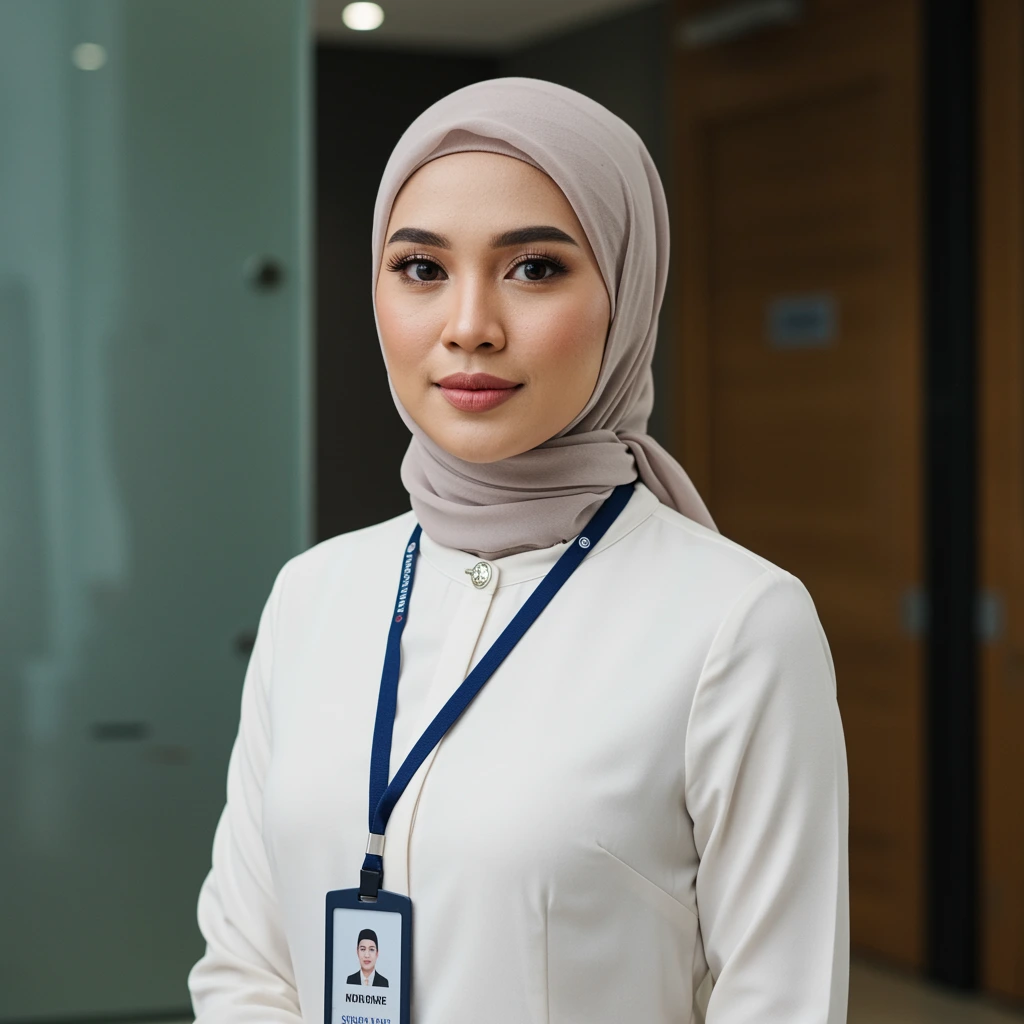
In today’s competitive career landscape, professional women soft skills are a key factor that distinguishes average individuals from high-impact professionals. Technical expertise alone is not enough without strong communication, leadership, and emotional intelligence.
Many women possess excellent academic qualifications, but the real challenge begins when managing people, workplace pressure, and organizational perceptions. This is where soft skills play a vital role in building long-term reputation and credibility.
This article explores six essential professional women soft skills that deserve attention if you want to remain relevant and respected within your organization.
1. Effective Communication Skills
Communication is the foundation of career success. Professional women who can convey ideas clearly and confidently are more likely to earn the trust of employers and colleagues.
This skill goes beyond speaking well. It involves active listening, understanding context, and choosing appropriate language. In many situations, professional women soft skills are reflected in the ability to manage tone of voice and body language effectively.
Effective communication prevents misunderstandings, reduces conflict, and enhances teamwork.
2. Confidence and Self-Presence
Confidence influences how others perceive you. Women who believe in their abilities are more willing to voice opinions and make important decisions.
Self-presence refers to how someone carries herself in meetings, presentations, and discussions. Posture, eye contact, and facial expressions significantly shape professional perception.
When professional women soft skills such as confidence are well-developed, greater leadership opportunities naturally emerge.
3. Emotional Intelligence
Emotional intelligence is the ability to understand your own emotions and those of others. In organizations, this skill is crucial—especially during high-pressure situations or conflict.
Professional women with strong emotional intelligence can manage reactions, respond rationally, and maintain mature professional relationships.
One of the core strengths within professional women soft skills is empathy. Empathy builds stronger connections within teams and increases organizational trust.
4. Leadership Skills
Not all leaders are born, but leadership can be developed through training and experience. Professional women should be willing to take responsibility and lead projects—even without a formal managerial title.
Leadership is not merely about giving instructions; it is about inspiring and motivating others. It includes decision-making, problem-solving, and risk management.
By mastering professional women soft skills in leadership, individuals can build positive influence within their organizations.
5. Time Management Skills
Good time management reflects discipline and professionalism. Women balancing multiple professional and personal responsibilities need structured strategies.
Clear task prioritization ensures productivity remains at an optimal level. This skill reduces stress and prevents burnout.
Professional women soft skills in time management ensure tasks are completed with quality while maintaining work-life balance.
6. Problem-Solving Ability
Every organization faces challenges. Professional women who think critically and offer effective solutions are highly valued.
Problem-solving involves analyzing situations, assessing risks, and taking practical action. It also requires creativity and the courage to make decisions.
When professional women soft skills in problem-solving are strengthened, the individual becomes a key asset to the company.
Why Soft Skills Matter in Women’s Careers
Modern leadership studies consistently show that soft skills significantly impact promotion opportunities. Employers evaluate not only technical performance but also the ability to manage people and situations.
Women who master soft skills have an advantage in networking, conflict management, and adapting to organizational change.
Investing in professional women soft skills enhances individual performance and helps organizations achieve strategic objectives more effectively.
How to Improve Professional Women Soft Skills
Soft skills can be learned and enhanced through training, coaching, and practical experience. Structured personal development programs help identify strengths and areas for improvement.
Join professional communication courses, leadership training, or emotional intelligence workshops to strengthen competencies. Seeking feedback from mentors or colleagues is also highly beneficial.
With consistent commitment, professional women soft skills will grow alongside increasing responsibilities and roles within the organization.
Conclusion
In today’s demanding career environment, professional women need more than academic qualifications. They require a balance of technical expertise and soft skills to stay relevant.
The six skills discussed — communication, confidence, emotional intelligence, leadership, time management, and problem-solving — form the foundation of professional reputation.
By focusing on developing professional women soft skills, every woman has the potential to become an influential leader and contribute significantly to organizational success.
Unlock the true potential of women through personal development, leadership, and confidence-building programmes designed specially for professional women.
Don’t wait any longer — contact us now!
📲 WhatsApp kami di 014-591 7867
📧 Email: aidamohd@eliteskilltraining.com
🌐 Layari: www.eliteskilltraining.com
EliteSkill Training: Cultivate leadership with credibility, empathy, and integrity!

