The phenomenon of talented women organization professionals leaving companies earlier than expected is no longer an isolated issue. Many organizations in Malaysia and globally are recognizing that turnover rates among high-potential female employees are increasing.
Although women consistently demonstrate strong performance, high commitment, and leadership capability, many still choose to move to other organizations or leave the corporate world entirely. This situation significantly impacts productivity, training costs, and leadership continuity within companies.
This article discusses five key reasons why talented women organization professionals do not stay long — and what management can do to address the issue.
1. Lack of Fair Promotion Opportunities
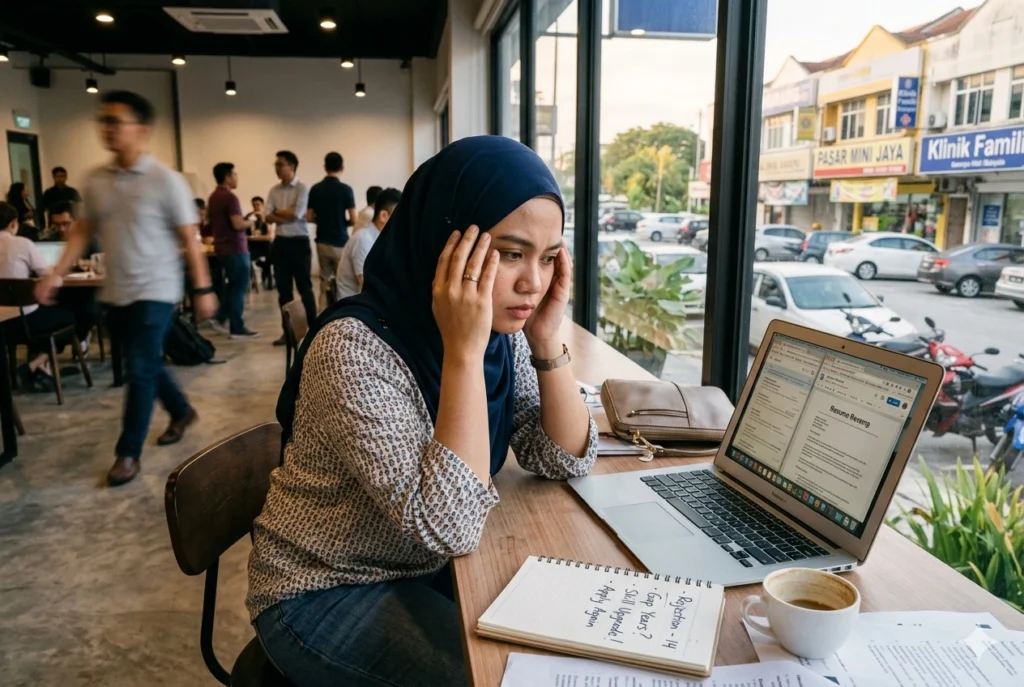
Many talented women organization professionals feel their career progression moves more slowly compared to male colleagues. Despite having equal qualifications and performance levels, they often miss promotion opportunities due to informal factors such as leadership perceptions or gender stereotypes.
In some organizations, leadership roles are still male-dominated. This creates a “glass ceiling” that makes it difficult for women to rise to senior management positions. When effort and contribution are not recognized fairly, motivation declines.
Without a clear career development plan, women are more likely to seek organizations that offer transparent and structured growth opportunities.
2. Non-Inclusive Workplace Culture
Workplace culture plays a critical role in talent retention. Talented women organization professionals often leave when they feel their voices are not heard or their ideas are undervalued.
Meetings dominated by a few individuals, lack of female representation in key committees, and biased communication patterns can create a non-inclusive environment. Over time, this affects confidence and employee engagement.
Organizations that fail to foster a respectful and collaborative culture will struggle to retain high-potential female talent.
3. Work-Life Imbalance
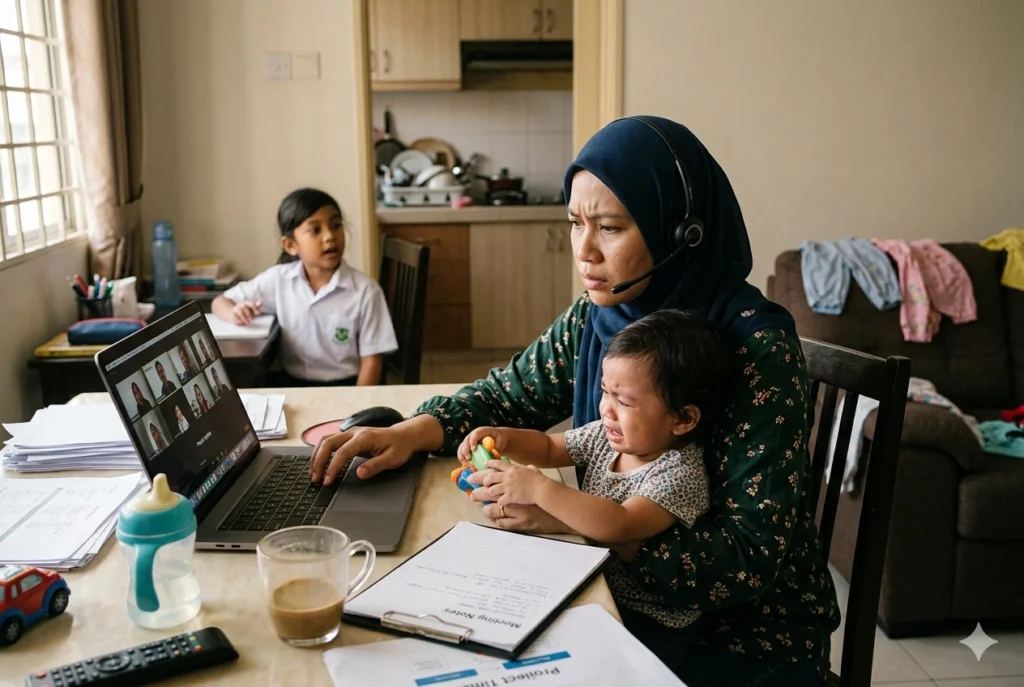
Balancing career and personal responsibilities remains a major factor driving talented women organization professionals to leave. Although more companies now offer flexibility, implementation is not always consistent.
Heavy workloads, long working hours, and limited support for family responsibilities can lead to prolonged stress. Women who are building families or caring for aging parents may choose to resign for personal well-being.
Companies that do not provide flexible policies such as hybrid working, flexible hours, or family-care leave risk losing top female talent.
4. Lack of Mentors and Role Models
Mentorship is crucial for career development. However, not all talented women organization professionals have access to leaders who can guide and support their growth.
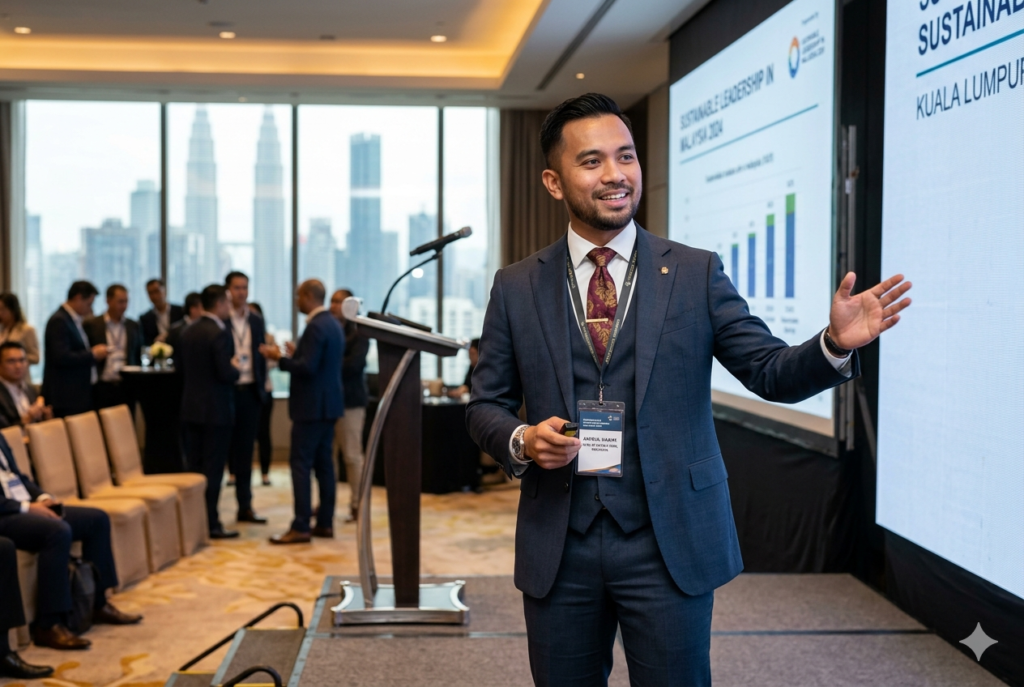
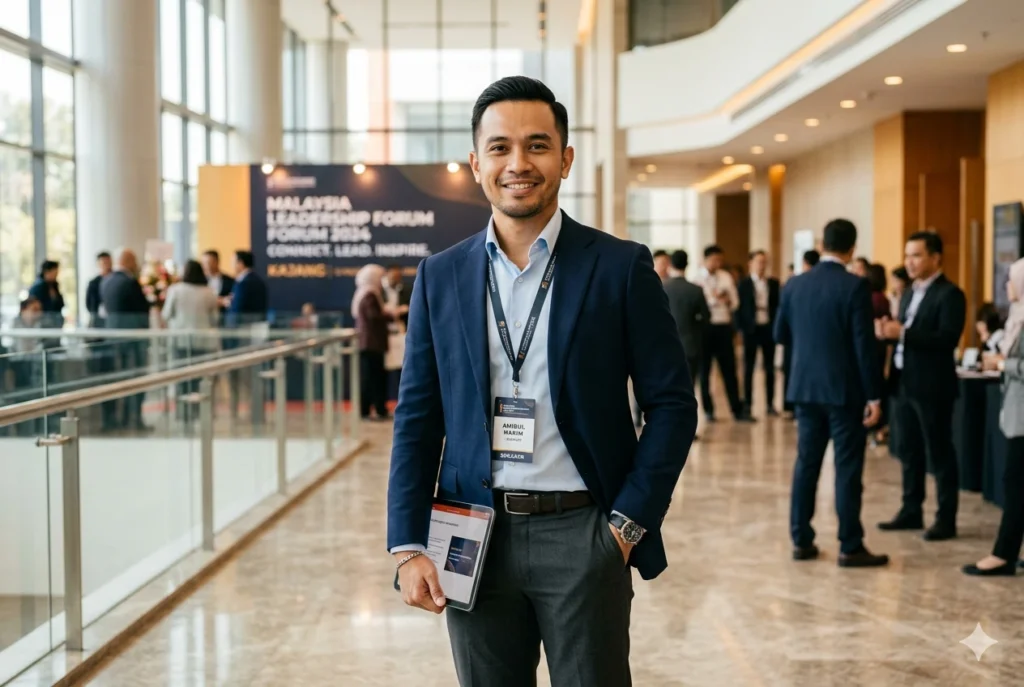
The absence of female role models at senior management levels also sends an indirect message that leadership opportunities are limited. Without strategic guidance, many women struggle to build internal networks and understand organizational dynamics.
Formal mentoring programs and women leadership initiatives can strengthen confidence and create clearer career pathways.
5. Inadequate Recognition and Rewards
Recognition is a key factor in job satisfaction. Talented women organization professionals may deliver excellent performance, but if rewards and acknowledgment are not proportional, they feel undervalued.
Gender pay gaps remain an issue in many sectors. In addition, informal recognition — such as public praise or access to strategic projects — is sometimes given selectively.
When contributions are not fairly rewarded, high-potential employees will look for organizations that value them more appropriately.
How Organizations Can Retain Talented Women
Addressing the talented women organization issue requires a strategic approach and long-term commitment from management.
1. Establish Transparent Career Pathways
Companies must provide clear career development plans, including promotion criteria and leadership training opportunities. Transparency builds trust and motivation.
2. Strengthen Inclusive Culture
Bias awareness training, effective communication practices, and inclusive leadership development can foster a fairer and more supportive work environment.
3. Offer Flexible Work Policies
Flexible work arrangements are no longer optional — they are essential. Organizations that support work-life balance are more likely to retain female talent long-term.
4. Introduce Women Mentorship Programs
Dedicated mentoring programs help women build confidence, professional networks, and leadership skills needed for advancement.
5. Ensure Fair and Competitive Compensation
Regular salary audits and transparent recognition systems help reduce gaps and improve employee satisfaction.
Conclusion
The issue of talented women organization professionals leaving is not merely about turnover rates — it represents the loss of future leadership potential. Organizations that fail to address this challenge will face higher replacement costs and potential employer branding damage.
On the other hand, companies committed to building inclusive cultures, providing clear career pathways, and offering comprehensive support systems will be far more successful in retaining top female talent.
In today’s competitive global environment, retaining talented women organization professionals is no longer optional — it is a strategic necessity for long-term business sustainability.
Unlock the true potential of women through personal development, leadership, and confidence-building programmes designed specially for professional women.
Don’t wait any longer — contact us now!
📲 WhatsApp kami di 014-591 7867
📧 Email: aidamohd@eliteskilltraining.com
🌐 Layari: www.eliteskilltraining.com
EliteSkill Training: Cultivate leadership with credibility, empathy, and integrity!