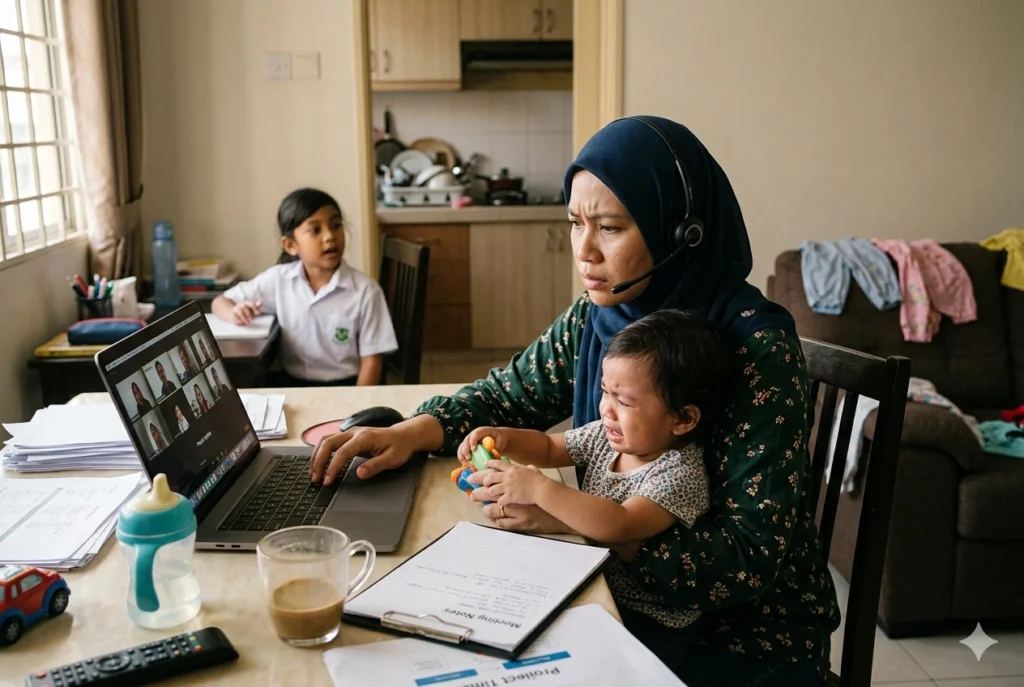
In today’s modern workplace, more women are choosing to take a career break for various reasons such as childcare, health, or family commitments. However, returning to work is not always easy. Women career break experiences often come with challenges that require strong mental preparation and the right strategies.
While taking a break from work is a valid and often necessary decision, the reality is that re-entering the workforce can be difficult in terms of confidence, skills, and employer perception. Understanding these women career break challenges is the first step toward overcoming them.
This article explores five key challenges and practical strategies to help women return to work with confidence and competitiveness.
Why a Career Break Impacts Career Progression
A career break can affect professional momentum. Women career break situations may result in missed promotion opportunities or slower skill development during the time away from work.
In addition, rapid changes in industries and technology can create knowledge gaps, making it harder to readjust when returning to the workforce.
However, with the right approach, these challenges can be transformed into opportunities for growth and reinvention.
1. Loss of Confidence
Feeling Uncertain About Returning
One of the biggest challenges in a women career break is reduced self-confidence. After being away from the workplace for a period of time, many women begin to doubt their abilities.
This lack of confidence can affect communication, job interviews, and workplace interactions. Without confidence, it becomes difficult to showcase one’s true potential.
Rebuilding confidence through training, preparation, and support from others is essential for a successful return.
2. Skills and Knowledge Gap
Keeping Up with Industry Changes
The workplace is constantly evolving. Women career break individuals may fall behind in terms of current skills, especially in digital and technological areas.
Employers today seek candidates who can adapt quickly to change, making skill gaps a major barrier when re-entering the workforce.
Taking courses, attending training programs, and engaging in self-learning are important steps to stay updated and competitive.
3. Employer Perception
Challenges During Job Interviews
Employer perception of a women career break can sometimes be a challenge. Some employers may view a career gap as a lack of commitment or relevant experience.
This can impact job interviews, where candidates must confidently explain their career break in a positive way.
Women can reframe their experience by highlighting transferable skills gained during the break, such as time management, multitasking, and informal leadership.
4. Work-Life Balance Challenges
Managing Dual Responsibilities
After returning to work, women career break individuals often need to balance professional responsibilities with personal commitments.
This can be particularly challenging without adequate support from family or the workplace. Strong time management skills are crucial in managing these dual responsibilities.
Organizations that offer flexibility, such as hybrid work or flexible hours, can significantly support a smoother transition.
5. Job Market Competition
Competing with Active Candidates
Another major challenge for women career break individuals is competing with candidates who have continuous and recent work experience.
This can make job searching more difficult and competitive.
However, strengths such as maturity, life experience, and interpersonal skills can become valuable differentiators in the job market.
How to Overcome Career Break Challenges
To successfully return to work, women career break individuals need a clear and structured plan.
This includes upgrading skills, building professional networks, and strengthening self-confidence.
Participating in training programs, attending workshops, and seeking mentorship can help accelerate the transition back into the workforce.
Setting realistic and progressive career goals is also essential for long-term success.
The Role of Organizational Support
Organizations play a crucial role in supporting women career break individuals returning to work.
Family-friendly policies, training opportunities, and inclusive workplace cultures can significantly improve retention and engagement.
Companies that promote diversity and work-life balance are more likely to attract and retain talented women professionals.
Conclusion
The challenges faced by women career break individuals are real, but they are not impossible to overcome. With the right mindset, preparation, and support, these challenges can be turned into opportunities for growth.
Key challenges such as confidence, skill gaps, employer perception, work-life balance, and job competition should not be seen as barriers—but as stepping stones toward a stronger career comeback.
With determination and strategy, women can return to the workforce more confident, capable, and ready to succeed in the modern professional world.
Unlock the true potential of women through personal development, leadership, and confidence-building programmes designed specially for professional women.
Don’t wait any longer — contact us now!
📲 WhatsApp kami di 014-591 7867
📧 Email: aidamohd@eliteskilltraining.com
🌐 Layari: www.eliteskilltraining.com
EliteSkill Training: Cultivate leadership with credibility, empathy, and integrity!