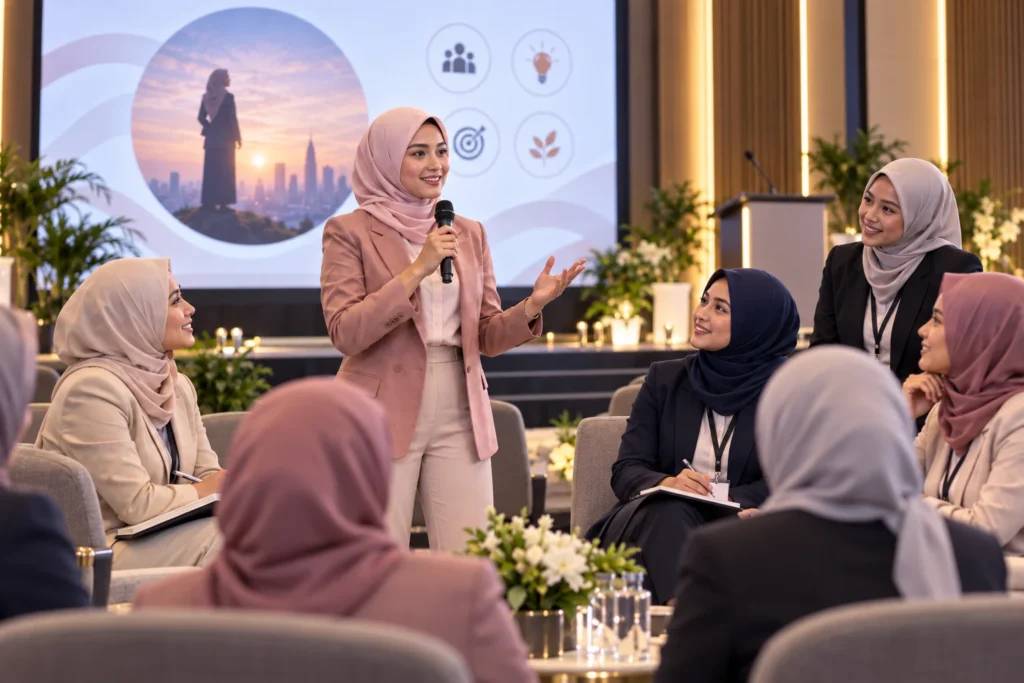
Strong leadership is no longer defined by position, authority or job title. Today, effective leaders are expected to communicate clearly, make confident decisions, manage challenges and inspire others. For women in the workplace, developing these capabilities can create greater opportunities for career growth and professional impact.
Women leadership development focuses on strengthening the skills, confidence and mindset women need to lead effectively. Whether someone is preparing for a management role or already leading a team, continuous development can help turn leadership potential into meaningful results.
Why Is Women’s Leadership Development Important?
Women bring diverse perspectives, experiences and approaches to leadership. However, having leadership potential does not automatically mean having every skill needed to succeed in a leadership role.
Leadership skills can be developed through experience, mentoring, training and deliberate practice. Organisations that invest in women leaders can also create stronger talent pipelines and encourage a workplace culture where employees have opportunities to grow.
From communication and decision-making to emotional intelligence and strategic thinking, there are several areas women can focus on to become more effective leaders.
1. Build Strong Communication Skills
Communication is one of the most important foundations of effective leadership. Leaders need to explain ideas, provide feedback, manage difficult conversations and communicate expectations clearly.
Women can strengthen their communication by practising active listening, using confident language and adapting their communication style to different audiences. It is also important to communicate ideas with clarity rather than relying on overly complicated explanations.
Communicate with Confidence
Confidence does not mean speaking the loudest or dominating every conversation. A confident leader knows how to express opinions respectfully, ask relevant questions and stand behind well-considered decisions.
Developing clear verbal and written communication can help women become more influential and credible in professional environments.
2. Strengthen Decision-Making Skills
Leaders make decisions every day. Some decisions may be straightforward, while others involve uncertainty, competing priorities or significant consequences.
Developing a structured approach to decision-making can help women evaluate information, consider risks and identify practical solutions. Instead of waiting for perfect information, effective leaders learn to make informed decisions based on the information available.
Women leadership development should therefore include opportunities to practise decision-making in realistic workplace situations. Case studies, leadership simulations and problem-solving activities can help participants build confidence when dealing with complex challenges.
3. Develop Emotional Intelligence
Emotional intelligence plays an important role in workplace leadership. It involves understanding your own emotions, recognising the emotions of others and managing interactions effectively.
A leader with strong emotional intelligence can remain calm during difficult situations, respond rather than react and understand how their behaviour affects the team.
Practise Self-Awareness
Self-awareness allows leaders to recognise their strengths, weaknesses, communication patterns and emotional triggers. Regular reflection and constructive feedback can help identify areas for improvement.
Women leaders who understand themselves better can also become more intentional about how they respond to pressure, conflict and challenging workplace situations.
4. Improve Strategic Thinking
Leadership is not only about managing today’s tasks. Effective leaders also need to understand the bigger picture and think about the organisation’s future.
Strategic thinking involves identifying priorities, understanding business objectives, anticipating challenges and connecting daily activities to long-term goals.
Women can develop strategic thinking by becoming more familiar with organisational objectives, industry trends and business performance. Asking questions such as “What is the bigger impact?” or “What should we prepare for next?” can encourage a more strategic approach to leadership.
5. Build a Strong Professional Network
Leadership development does not happen in isolation. Relationships with colleagues, mentors, industry professionals and other leaders can provide valuable knowledge and opportunities.
Networking allows women to exchange ideas, learn from different experiences and gain exposure to new perspectives. A strong professional network can also provide support when navigating career transitions or leadership challenges.
Find the Right Mentors
Mentors can offer guidance based on their own professional experiences. A mentor does not need to work in the same role or industry. What matters is their ability to provide useful perspectives, constructive feedback and encouragement.
Women leadership development becomes more meaningful when learning is supported by real-world experiences and relationships.
6. Learn to Handle Conflict Effectively
Conflict is a normal part of workplace relationships. Differences in opinions, communication styles, priorities and expectations can create tension within a team.
Strong leaders do not necessarily eliminate conflict. Instead, they learn how to manage disagreements constructively.
Women can strengthen conflict management skills by listening to different perspectives, focusing on facts and addressing issues before they become bigger problems. Leaders should also avoid taking disagreements personally and instead focus on finding solutions that support the team and organisation.
Effective conflict management can improve trust, collaboration and team performance.
7. Develop Confidence and Leadership Presence
Leadership presence is the way a leader communicates confidence, credibility and professionalism through both verbal and non-verbal behaviour.
It can be reflected in posture, tone of voice, eye contact, listening skills and the ability to remain composed under pressure. Leadership presence does not mean changing your personality. Instead, it means developing the ability to communicate your value and ideas effectively.
Take Ownership of Your Growth
Women should actively identify leadership opportunities rather than waiting for someone else to recognise their potential. This could include leading a project, presenting an idea, mentoring colleagues or volunteering for responsibilities outside their usual role.
Women leadership development becomes stronger when individuals take ownership of their learning and consistently practise their leadership skills.
How Can Organisations Support Women Leaders?
Leadership development should not be viewed as an individual responsibility alone. Organisations also have an important role in creating an environment where women can develop and progress.
Companies can provide leadership training, mentoring programmes, coaching opportunities and practical development initiatives. They can also encourage women to participate in projects that expose them to decision-making, strategic planning and cross-functional collaboration.
Create Opportunities to Lead
Training is most effective when participants have opportunities to apply what they learn. Organisations can give employees opportunities to lead meetings, manage projects, facilitate discussions or participate in problem-solving initiatives.
This practical experience allows leadership skills to develop through real workplace situations.
The Role of Leadership Training
Professional leadership training can provide women with a structured environment to develop essential leadership capabilities. Practical training can cover communication, confidence, decision-making, emotional intelligence, conflict management and team leadership.
The goal is not simply to provide theoretical knowledge. Effective training should encourage participants to practise skills, receive feedback and apply new approaches to workplace situations.
A well-designed women leadership development programme can therefore support both individual career growth and organisational development.
Conclusion
Leadership is a skill that can be developed, strengthened and continuously improved. Women who invest in communication, decision-making, emotional intelligence, strategic thinking, networking, conflict management and leadership presence can become more confident and effective professionals.
At the same time, organisations have a responsibility to create opportunities for women to practise and demonstrate their leadership capabilities.
Women leadership development is not simply about preparing women for management positions. It is about creating confident professionals who can influence positively, make sound decisions, build strong relationships and contribute to organisational success.
Unlock the true potential of women through personal development, leadership, and confidence-building programmes designed specially for professional women.
Don’t wait any longer — contact us now!
📲 WhatsApp kami di 014-591 7867
📧 Email: aidamohd@eliteskilltraining.com
🌐 Layari: www.eliteskilltraining.com
EliteSkill Training: Cultivate leadership with credibility, empathy, and integrity!